Whispered Light, Confident Luxury

Today we dive into layered lighting strategies for quiet luxury interiors, revealing how a calm, luminous foundation, gentle task support, and artful accents collaborate with texture, color, and architecture. We’ll explore natural-light harmony, dimming curves, and intuitive controls that make rooms feel collected, composed, and deeply human—inviting you to slow down, savor materials, and notice the subtle glow that elevates everyday rituals without shouting for attention.

Begin with a Gentle Base

A serene room begins with a soft, enveloping base layer that eliminates harsh contrast and welcomes the eye to rest. Think ceiling coves floating like clouds, wall-washers smoothing away visual noise, and low-glare sources that let materials breathe. With the right dimming range and color temperature, the space becomes instantly forgiving, comfortable for conversation, and ready to accept additional layers without visual conflict or fatigue.

Ambient that Breathes

Build an even, comfortable glow that never flattens the room. Indirect linear light tucked into coves, soft wall washing, and carefully spaced downlights create a canvas for everything else. Keep glare low, choose 2700–3000K for evening comfort, and ensure dimming down to one percent. The result is a quiet hush of illumination that calms the mind and frames the next layers with gentle precision.

Task without Tension

Reading, cooking, writing, and grooming deserve focused light that never feels interrogational. Place under-cabinet strips, adjustable reading heads, or directed spots with tight beams and accurate color. Aim for crisp edges without harsh brightness ratios, balancing output with the surrounding ambient layer. When task lighting respects the eye’s comfort, chores become rituals, and everyday actions feel intentionally supported rather than clinically exposed.

Accent as a Whisper

Accents should reveal character with restraint. Grazing a limestone wall unlocks texture, while a narrow-beam spotlight kisses a painting without bleaching colors. Use high CRI or robust TM-30 performance to honor textiles and art. Keep ratios gentle—enough to create depth, not spectacle. When accents behave like murmured compliments, the room acquires a sense of quiet confidence and subtly theatrical dimension.

Warm Dim That Feels Human

As evening deepens, let technology mimic firelight. Warm-dim LEDs slide from a fresh 3000K toward a buttery 1800–2200K, cueing the body to unwind. Skin tones soften, polished metals mellow, and reflective surfaces become friendlier to the eye. When light color lowers alongside brightness, rooms gain emotional depth, and intimate gatherings feel timeless rather than staged by bright, unyielding electric whiteness.

Finishes That Glow, Not Glare

Quiet luxury favors finishes that catch light softly. Choose satin brass, bronzed metals, honed stone, and open-weave linens to diffuse reflections. Avoid mirror-like surfaces near stronger sources to prevent visual hotspots. Frosted diffusers and alabaster shades create an aura rather than a spike of brightness. The aim is a tender, luminous envelope that flatters materials without announcing the fixture as the main attraction.

Color Rendering for Truthful Tones

When woods, textiles, and art matter, demand high fidelity. Look for LEDs with CRI 90+ or, better, strong TM-30 metrics that maintain color balance and saturation. Reds, skin tones, and nuanced pigments should remain honest across dimming levels. Good rendering prevents that waxy, flattened look and ensures collections and cabinetry feel authentic. Under accurate light, investment materials repay attention with rich, natural presence.

Architecture as the Luminaires’ Silent Partner
Let the building carry the light. Trimless downlights, recessed channels, and shadow gaps whisper sophistication without visible clutter. Integrate linear grazers into reveals, tuck micro-spots within ceiling coffers, and coordinate fixture placement with millwork rhythms. The result feels inevitable, as if walls emit a gentle radiance. When light rides the architecture, the eye reads balance, proportion, and a comforting sense of calm intention.

Rhythm, Health, and the Day’s Quiet Arc

Light shapes energy. In the morning, cooler tones and gentle brightness lift attention. By afternoon, balanced scenes support focus without tiring the eyes. Evening invites warm dimming and contrasts softened to soothe the nervous system. Tunable white, layered scenes, and thoughtful shade control respect circadian cues. The home begins to partner with your body’s tempo, encouraging clarity, recovery, and unhurried presence.

Morning Clarity

Start with fresh, uplifting light that avoids glare. A slightly cooler spectrum around 3500–4000K can cue alertness, especially where natural light is limited. Pair it with soft wall wash and restrained downlighting to prevent fatigue. Motorized shades welcome daylight first, then electric sources fill gaps. The room feels awake and open, yet still gentle enough for quiet rituals and unhurried preparation.

Afternoon Focus

Sustain attention with even illumination and calm contrast. Keep color temperature neutral-warm around 3000–3500K, resisting the urge to blast brightness. Task lights should be precise but forgiving, and ambient layers must hold the room together. Reduce reflected glare on screens, polish workflow paths, and let natural light lead. The overall effect is steady, measured, and supportive of deep, humane productivity.

Evening Unwind

As the day exhale begins, encourage slow breathing with warm, low-level scenes. Bring color temperature toward 2200–2700K, favoring indirect sources and shaded lamps. Faces look kinder, materials feel richer, and corners soften into privacy. Reading pools can remain crisp while perimeters fade. This choreography tells the nervous system it is safe to rest, preparing sleep without sacrificing visual poetry or detail.

Controls, Scenes, and the Art of Effortless Ease
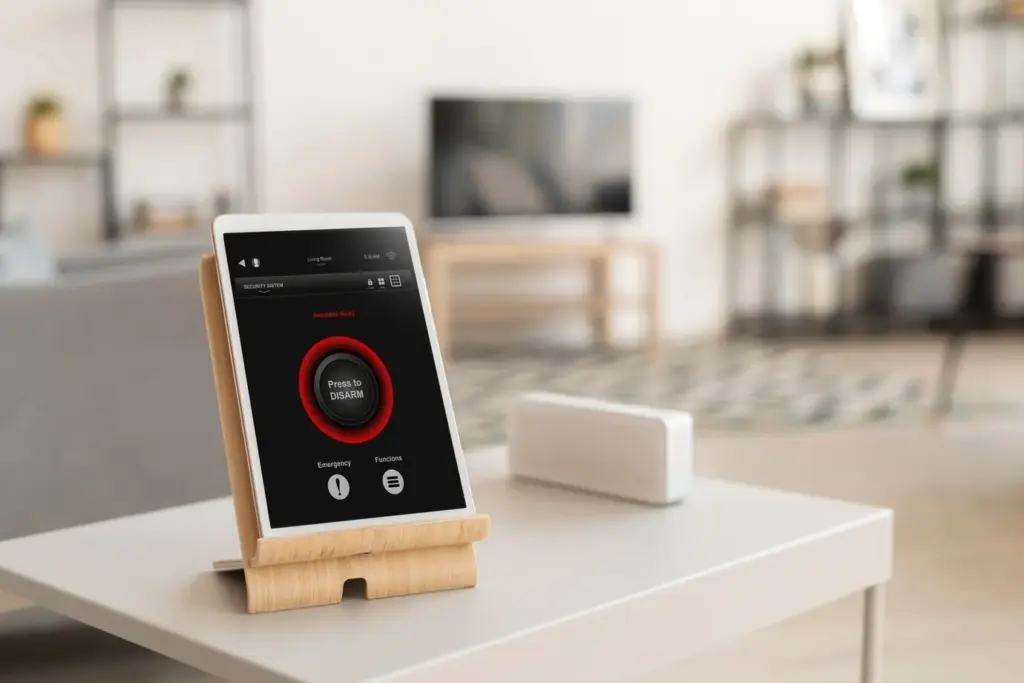
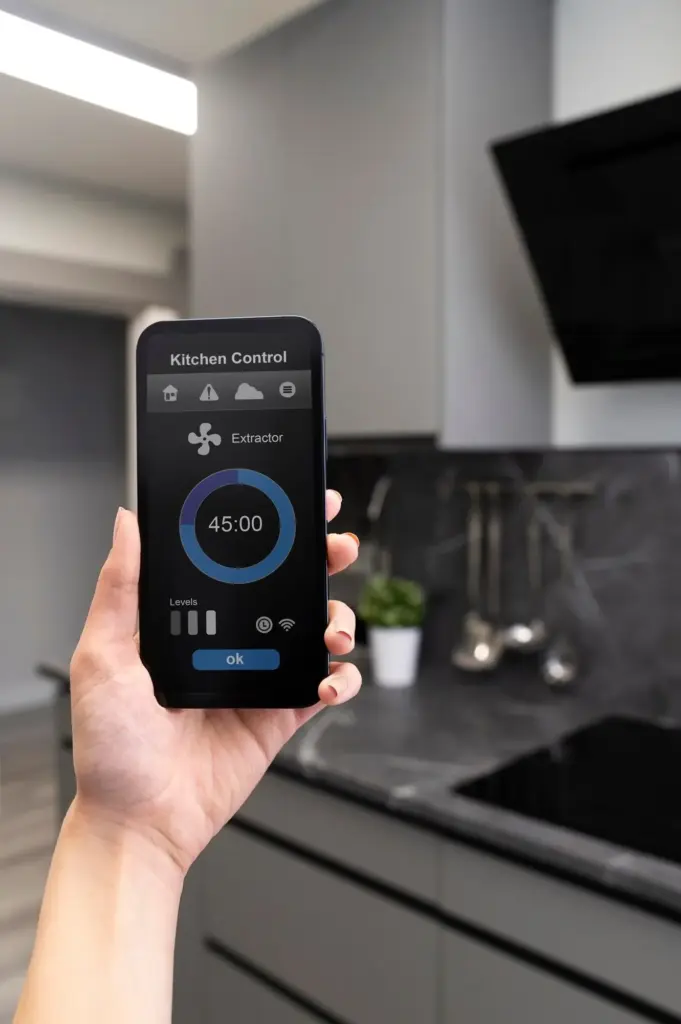
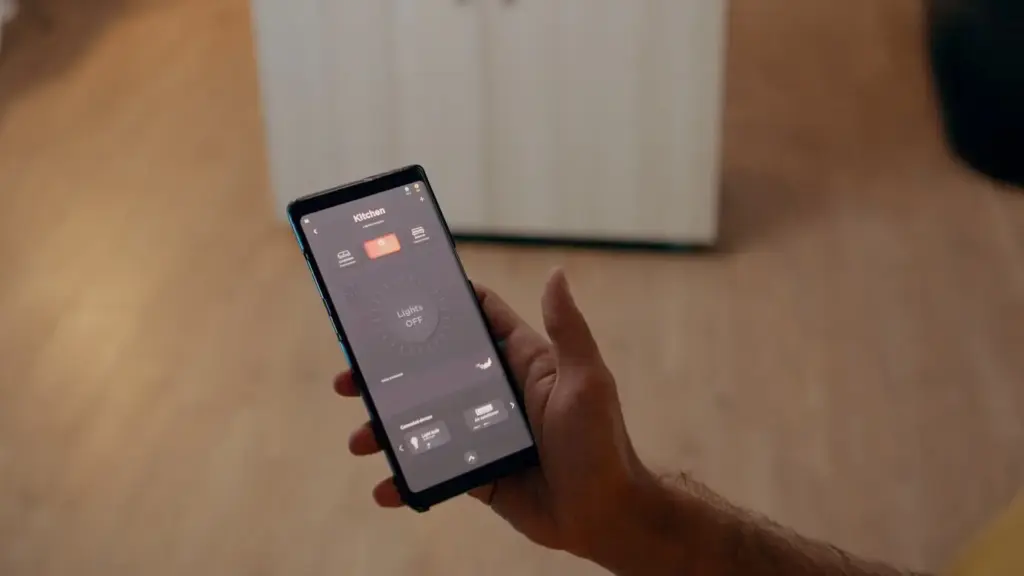
The most luxurious interface is the one you barely notice. Program a handful of meaningful scenes—Arrival, Read, Dine, Late—and label keypads with clear text. Use smooth, flicker-free dimming that glides to one percent. Let daylight sensors trim excess, while local overrides keep control intuitive. Share your favorite scene ideas with us and subscribe to future guides exploring minimal, reliable control ecosystems.

Stories from Quiet Rooms

Anecdotes reveal how subtle choices transform daily life. In a townhouse library, a hidden cove softened paneled walls so conversation felt closer. A spa bath used warm-dim mirror lights to make mornings kinder. A dining room’s layered scene encouraged lingering long after dessert. Share your lighting questions, and subscribe for upcoming case notes and sketches refining understated, enduring atmospheres.
Mumikumalorava
Privacy Overview

This website uses cookies so that we can provide you with the best user experience possible. Cookie information is stored in your browser and performs functions such as recognising you when you return to our website and helping our team to understand which sections of the website you find most interesting and useful.